-
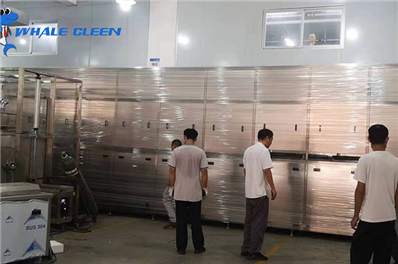 Voltage Requirements for Ultrasonic Cleaning Machines in the United States
In the United States, the voltage requirement for ultrasonic cleaning machines typically aligns with the standard industrial power supply, which is predominantly supplied at either 120 volts (V) or 208-240 volts (V) alternating current (AC). These voltage
-
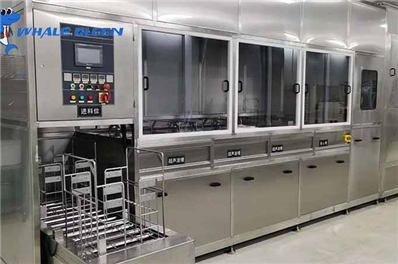 How to Modify Ultrasonic Cleaner Power: A Comprehensive Guide for Safe and Effective Adjustments
Introduction to Ultrasonic Cleaner Power Adjustment Understanding power modification is crucial for tailoring cleaning performance to specific tasks. This guide covers legal, technical, and safety aspects of adjusting ultrasonic cleaner output (typical
-
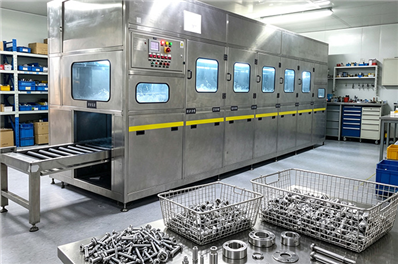 Ultrasonic vs. Electrolytic Ultrasonic Cleaning: What's the Real Difference in Metal Finishing Cleanliness?
In metal finishing and electroplating operations, cleanliness is not just a quality metric—it is the foundation upon which adhesion, corrosion resistance, and final product performance are built. A single speck of oil residue on a stamped metal part can c
-
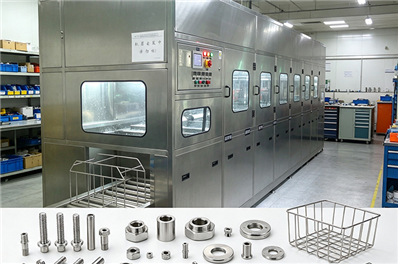 Ultrasonic Cleaning Machine: Why Disassemble Molds When You Can Clean Carbon Deposits in Minutes?
In industrial manufacturing, few maintenance tasks are as time-consuming and costly as mold cleaning. Production managers know the drill all too well: shutdown the line, wait for the mold to cool, disassemble every component, scrub stubborn carbon deposit
-
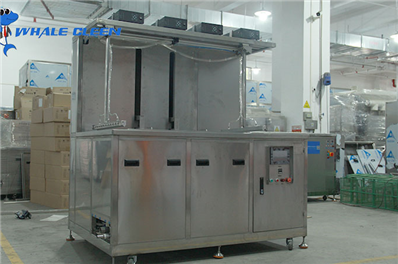 Optimizing Transducer Voltage in Ultrasonic Cleaning Machines
Ultrasonic cleaning machines are widely utilized in various industries for their efficacy in removing contaminants from surfaces. The voltage applied to the transducer, a crucial component responsible for converting electrical energy into mechanical vibra
-
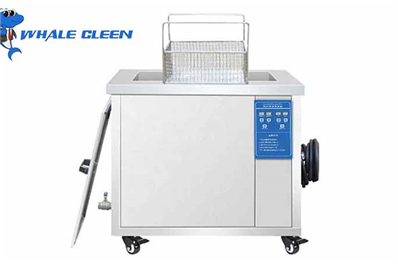 Blue Whale: tabletop single tank ultrasonic cleaner
Single tank ultrasonic cleaner Features: A, ultrasonic working time of 1-99 minutes can be adjusted, suitable for different occasions. B, cleaning temperature in the 20 & NDASH; 80 range of arbitrary adjustable, constant temperatu